LITE Laboratory · Research initiative

Laser-Induced Transformations for Environment & Health

We use a laser to turn ordinary polymers into conductive, porous graphene, then build surfaces, membranes and sensors for cleaner water, cleaner air and better public health.

λ 10.6 µm CO₂ laser substrate polyimide · PES steps 1 · solvents 0

Research

One laser step, three kinds of devices

Laser-induced graphene (LIG) forms directly on a polymer surface. Because it is porous and conducts electricity, the same material can kill microbes, filter water and air, and sense what passes through it.

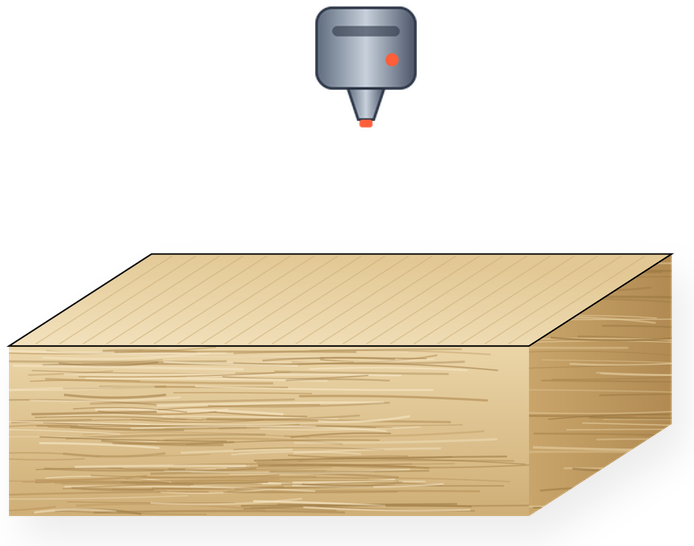
Polyimide felt under a CO2 laser head

STEP 1 · POLYMER

Start with a plastic

A polyimide sheet or felt, or a polyethersulfone membrane, sits under a CO₂ laser in ordinary air.

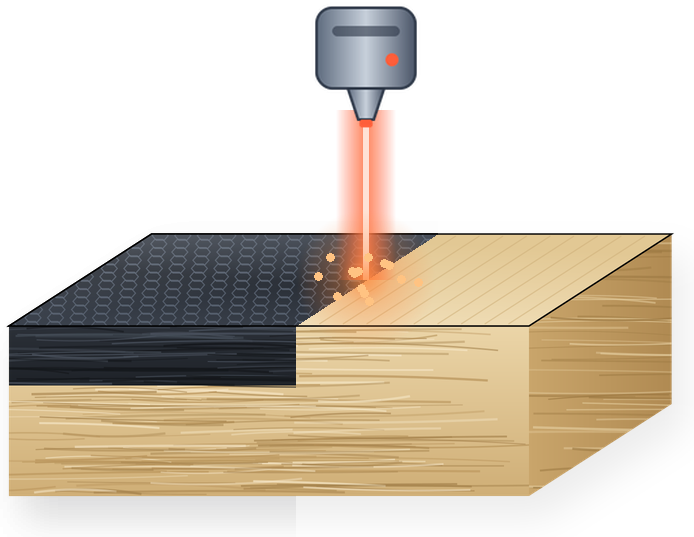
Laser beam converting the polymer surface into dark graphene

STEP 2 · LASE

Scan the beam

Local heating from the beam converts the surface into a porous graphene foam, following any pattern you draw.

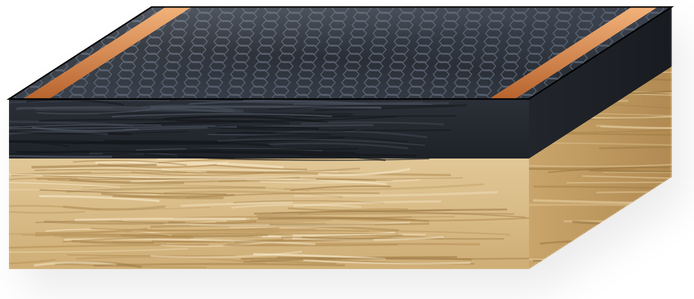
Finished graphene layer on the polymer with copper contacts

STEP 3 · USE

Conductive, porous, built in

No solvents or masks. The graphene stays on the part, ready to carry current, absorb light or sense.

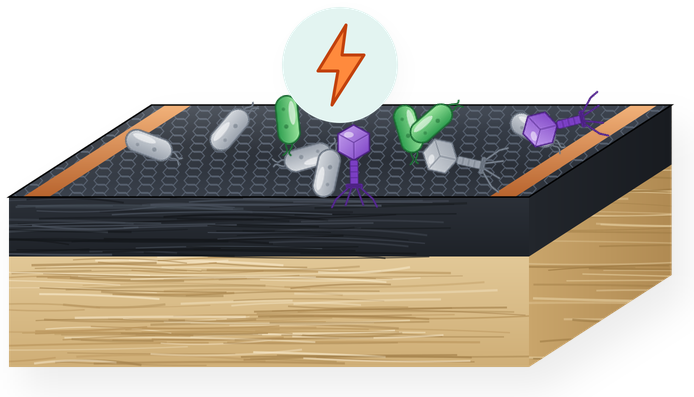
Graphene surface with contacts inactivating bacteria and viruses

Antimicrobial & antiviral surfaces

Graphene surfaces that inactivate bacteria and viruses using low voltage, light, or both.

  • Graphene-coated air filters: ~99% bacterial and 100% viral removal at ~0.3 VACS Appl. Mater. Interfaces 2021
  • Graphene composite adhesive tape: up to 99.99% bacterial killing with light plus currentCarbon 2022
  • LED-activated carbon nanomaterial surfaces: up to 99.1% killing in 20 minutesACS Appl. Mater. Interfaces 2026
  • LIG-wrapped tri-metal organic framework and silver-doped LIG compositesAdv. Eng. Mater. 2024 · Environ. Sci.: Nano 2024
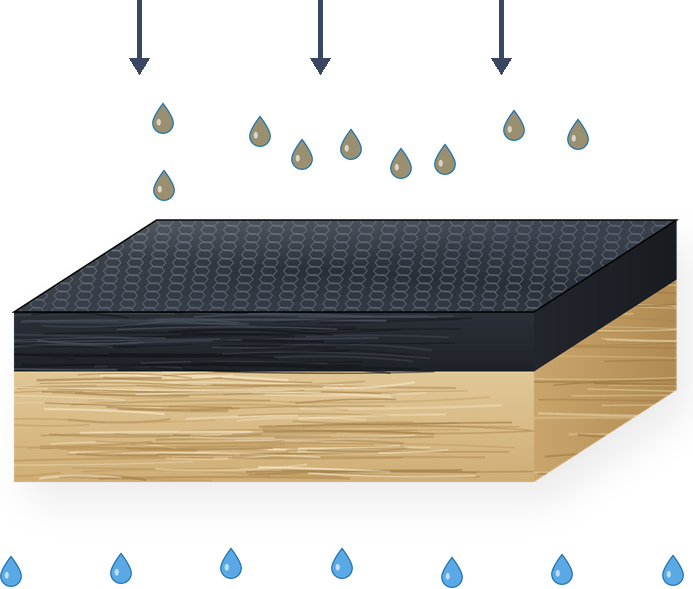
Dirty water passing through a graphene composite membrane and leaving clean

Membranes & filters

Graphene composite membranes and filter media for water treatment and air purification.

  • Simple, scalable fabrication of LIG composite membranes for water treatmentACS ES&T Water 2021
  • Hydrophilic silica-doped LIG with enhanced anti-adhesion performanceAdv. Mater. Interfaces 2026
  • Dual-function membrane for CO₂ capture and electrocatalytic reductionChemSusChem 2025
  • Membrane fouling and mitigation in wastewater treatmentIntechOpen book chapter 2024
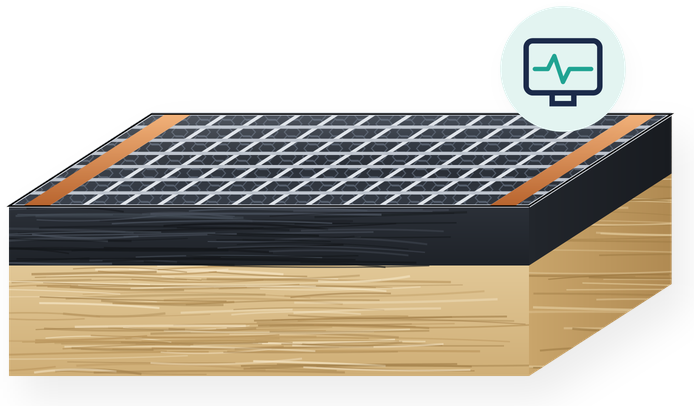
Graphene sensor with a mesh electrode and a live signal readout

Sensing & monitoring

Electrochemical and mechanical sensors that watch membranes and detect viruses in real time.

  • Impedimetric microfluidic membrane-mimic cassette (IM³) for fouling analysisACS Appl. Mater. Interfaces 2026
  • Signal stability in a porous 3D flow-through microelectrochemical biosensorSens. Actuators B 2026
  • Freestanding LIG resonators for ultrasensitive viral sensingACS Appl. Mater. Interfaces 2022
  • Defocused-laser anisotropic freestanding graphene architecturesACS Appl. Eng. Mater. 2026

Under the microscope

Same element, three very different surfaces

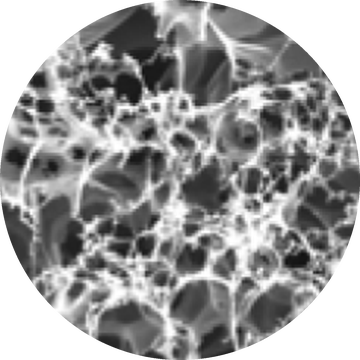
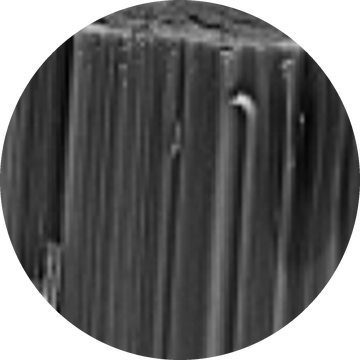
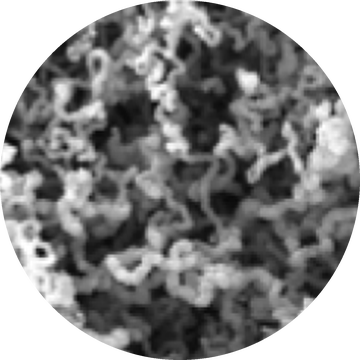
Shape changes how a carbon surface meets bacteria and light. These scanning electron microscope images compare the three materials tested in our LED study.

SEM image of laser-induced graphene showing a porous foam
Laser-induced grapheneporous foam
SEM cross-section of vertically aligned carbon nanotubes
Aligned carbon nanotubesdense vertical forest
SEM image of tangled carbon nanofibers
Carbon nanofiberstangled mat

Images: Welemichael, Sharma et al., ACS Appl. Mater. Interfaces 2026, licensed CC BY 4.0. Cropped.

Highlights

Results from published work

0.3V

Air filters that kill what they catch

With a stainless-steel mesh on graphene-coated felt, ~0.3 V removed ~99% of P. aeruginosa and 100% of T4 virus. The filter was later commercialized.

ACS Appl. Mater. Interfaces 13, 59373 (2021)

99.99%

A tape that heats and sterilizes

A double-sided graphene tape reached 126 °C at 10 V. Light plus current killed 99.99% of bacteria on its surface in 3 minutes.

Carbon 196, 102–109 (2022)

20min

LED light switches carbon on

After plasma treatment, carbon nanofiber surfaces killed 99.1% of bacteria under a 23 W LED bulb in 20 minutes.

ACS Appl. Mater. Interfaces (2026), open access

Research in 2 minutes

Short videos, one paper each

Each video explains the problem a paper tackles and what it found. Narration is AI-generated.

Graphene air filters that kill what they catch

Low-voltage bacterial and viral killing on laser-induced graphene coated filters.

2:13 · ACS AMI 2021

A graphene tape that heats and sterilizes

An adhesive tape with electro- and photothermal heating and antimicrobial action.

2:11 · Carbon 2022

LED light and carbon surfaces versus bacteria

How graphene, nanotube and nanofiber surfaces respond to a simple LED bulb.

2:17 · ACS AMI 2026

New videos are posted on the LITE Laboratory LinkedIn page.

Publications

Papers and patents

Published work only. Live citation counts are on Google Scholar.

Patents

US 2025/0155431 A1 · Appl. 18/726,937

Macroscopic Laser-Induced Graphene

Arnusch, C. J., Ya'akobovitz, A., Sharma, C. P., Shimon, Y. B.

WO 2023/139588 A1 · PCT/IL2023/050074

Laser-Induced Graphene Composite Adhesive Tape

Arnusch, C. J., Sharma, C. P.

Journal articles and book chapter

About

Dr. Chetan Prakash Sharma

Leads LITE Laboratory as a research initiative.

Chetan is a postdoctoral researcher in Chemical and Materials Engineering at the New Jersey Institute of Technology. His work develops laser-induced graphene materials and devices for antimicrobial surfaces, water-treatment membranes, air filters and electrochemical sensors.

During his PhD at Ben-Gurion University of the Negev he co-developed a low-voltage, virus- and bacteria-killing graphene air filter that was later commercialized. He now works on impedimetric microfluidic sensors and real-time membrane fouling monitoring.

Featured in

The EngineerThe Jerusalem Post

Personal website: chetanps.in

  1. 2025 – present

    Postdoctoral ResearcherChemical & Materials Engineering, New Jersey Institute of Technology, USA
  2. 2024 – 2025

    Postdoctoral ResearcherDesalination & Water Treatment, Ben-Gurion University of the Negev, Israel
  3. 2024

    PhD, Hydrology & Water QualityBen-Gurion University of the Negev, Israel
  4. 2023

    Visiting ResearcherMechanical Engineering, University of Alberta, Canada
  5. 2019

    M.Sc., Environmental Science & EngineeringIndian Institute of Technology Bombay, India
  6. 2016

    B.Sc. (Hons), ChemistryUniversity of Delhi, India

Contact

Get in touch

Questions about the research, collaborations and media requests are welcome by email.